
Winter around here has a way of showing up before everybody is ready for it.
One week you are driving through Norton with the windows cracked. The next, your windshield is iced over, I-76 is moving at half speed, and the low tire pressure light is glowing before you have even had coffee. That is Northeast Ohio. It is beautiful in its own way, but it is not gentle on vehicles.
At Ken Ganley Ford Norton, we see the same pattern every year. The first real cold snap hits, and suddenly batteries, tires, brakes, wipers, and neglected fluids start causing problems all at once. A little winter prep before the weather turns can save you a lot of frustration later.
Here is what we recommend checking before the first hard freeze settles in.
Start With the Tires
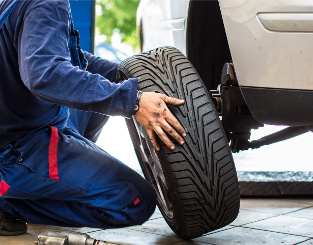
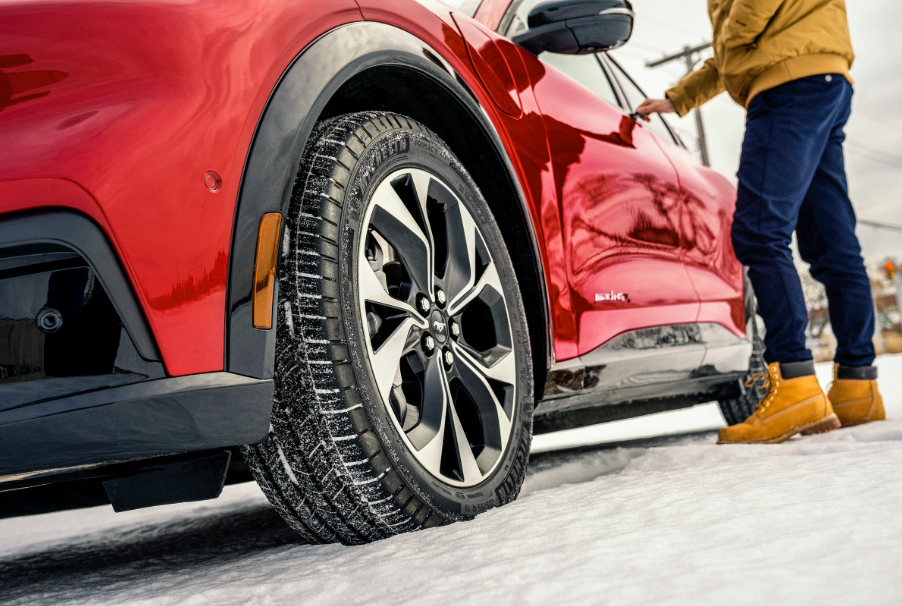
If there is one place we would not gamble, it is tires. They are the only part of your Ford actually touching the road, and winter gives them a lot to deal with: snow, slush, ice, road salt, potholes, freezing rain, and those slick early mornings before the plows have made a full pass.
Check your tread before winter gets serious. The old penny test is a start, but we like the quarter test better for this part of Ohio. Put a quarter into the tread groove with Washington’s head facing down. If the top of his head is still easy to see, your tires may not have enough tread for confident winter driving.
Tire pressure matters too. Cold air drops pressure fast, and underinflated tires can make your Ford feel less steady than it should. You will find the recommended pressure on the sticker inside the driver’s door jamb.
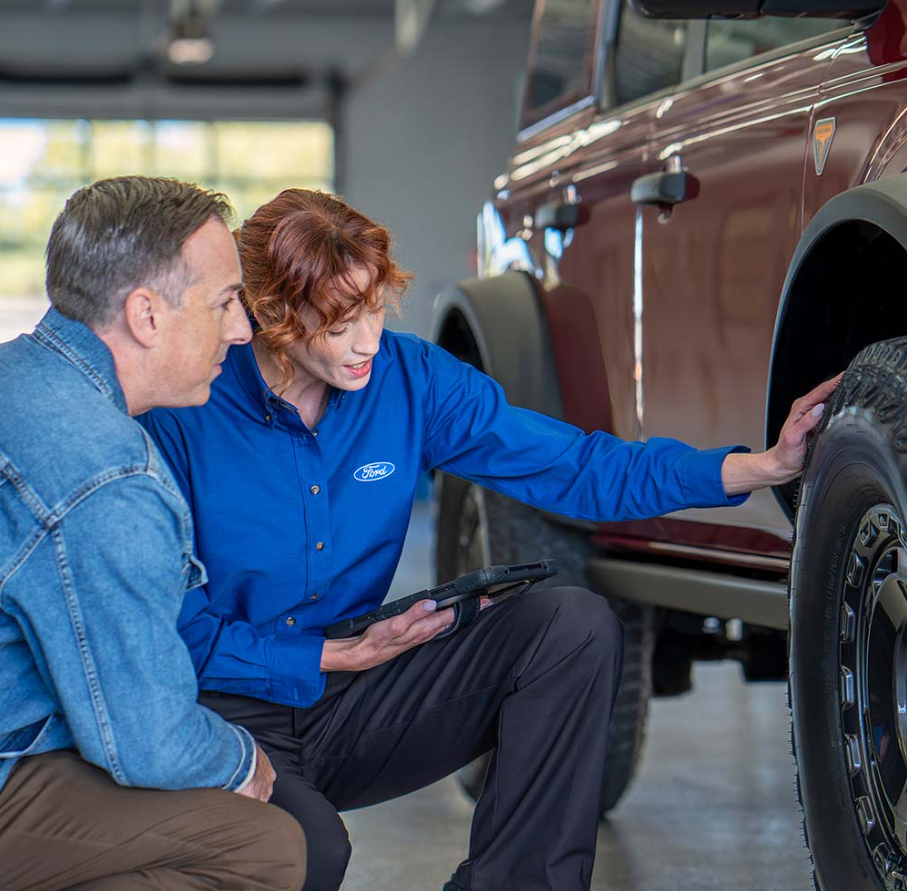
If your tires are close to the end of their life, do not wait until the first storm. Our Ford service center can help you compare replacement options, and our service and parts specials may include current tire offers.
Test the Battery Before It Tests You
A weak battery can act perfectly fine in September and give up completely in December. Cold weather makes the engine harder to start and cuts down the battery’s available power. That is a rough combination.
If your battery is around three years old, or if your Ford has been starting a little slower lately, have it tested. It is quick, and it gives you a much better answer than guessing.
This matters even more on Ford trucks and SUVs with heated seats, heated steering wheels, remote start, towing equipment, work accessories, or Pro Power Onboard. Those features are great in winter, but they also make a healthy electrical system more important.
Make Sure the Coolant Is Ready for Real Cold
Coolant does more than help prevent overheating in the summer. In winter, the antifreeze mixture helps protect the engine from freezing temperatures. The key word there is “mixture.”
Over time, coolant can lose strength. It may look fine in the reservoir and still be weaker than it should be. A proper test tells you what level of freeze protection your vehicle actually has.
If you are not sure when the coolant was last checked, it is worth adding to your winter service list. It is not the most exciting item, but it is one of those things you will be very glad you handled before the temperature drops.
Use the Right Oil for Cold Starts
Cold starts are hard on an engine. The oil is thicker, the metal is cold, and the first few seconds after startup matter.
Most newer Ford models are designed to run the recommended oil viscosity year-round, but it is still worth checking your owner’s manual or asking our team if you are unsure. This is especially true if you drive an older Ford, recently bought a used vehicle, or have not had the oil changed in a while.
An oil change before winter is not just about mileage. It is about giving your engine clean oil that can flow properly when the mornings are freezing.
You can schedule Ford service online if your vehicle is due before winter driving really begins.
Do Not Ignore Brake Feel
Winter roads already increase stopping distance. Worn brakes only make that worse.
Listen for squealing, scraping, or grinding. Pay attention if the pedal feels soft, if the steering wheel shakes while braking, or if the vehicle pulls to one side. Those are not “wait and see” symptoms once snow and ice are in the forecast.
A winter inspection should include brake pads, rotors, brake fluid, tires, lights, and the other pieces that help your Ford respond the way it should when the road gets messy.
Replace Tired Wiper Blades
This is one of the cheapest winter fixes and one of the easiest to put off.
If your wipers are already streaking in regular rain, they are not going to magically improve when the windshield is covered in salt spray and slush. Winter-rated blades can help keep better contact with the glass when ice starts building up.
Washer fluid deserves attention too. Use fluid rated for freezing temperatures. Not water. Not summer fluid. Northeast Ohio roads throw a steady film of salt and grime on your windshield all winter, and you will probably use more washer fluid than you expect.
If you need wipers, filters, or other Ford maintenance items, our parts department can help you find the right fit.
Check 4WD and AWD Before You Need Them
Four-wheel drive and all-wheel drive are helpful, but they are not magic. They help you get moving and maintain traction, but they do not replace good tires or careful braking.
If you drive an F-150, Ranger, Bronco, Expedition, Explorer, or another Ford with 4WD or AWD, make sure the system is working before winter weather hits. For traditional 4WD systems, shift through the proper modes according to your owner’s manual and make sure everything engages smoothly.
For AWD vehicles, tire condition becomes especially important. All four tires should be the same size and similar in wear. Mismatched tires can put extra strain on drivetrain components over time.
Look at Your Lights Before the Days Get Short
By late fall, a lot of driving happens in the dark. Add snow, fog, wet pavement, and dirty road spray, and visibility can get bad fast.
Check the headlights, taillights, brake lights, turn signals, reverse lights, and fog lights if your Ford has them. Also look at the headlight lenses. If they are cloudy or yellowed, light output can be weaker than it should be.
One more thing: during snowstorms or gray daytime weather, turn your headlights on manually. Automatic lights do not always react the way you expect, and your taillights need to be visible to the drivers behind you.
Keep a Winter Kit in the Vehicle
You do not need to pack like you are crossing Alaska, but a basic winter kit is smart around Akron and Summit County.
Keep these in your Ford from late fall through early spring:
Ice scraper and snow brush
Jumper cables or a portable jump starter
Small shovel
Blanket or extra warm layer
Flashlight
Phone charger
Bottled water
A few shelf-stable snacks
Sand or kitty litter for traction
Gloves you can actually work in
It does not take much space, especially in a Ford truck or SUV, and you will be happy to have it if you get stuck, delayed, or parked outside during a storm.
Schedule Winter Service at Ken Ganley Ford Norton
The best time to prepare your Ford for winter is before the first ugly morning. Once the snow starts falling, everybody remembers the tires, batteries, brakes, and wipers at the same time.
At Ken Ganley Ford Norton, we help drivers from Norton, Barberton, Akron, Wadsworth, and nearby communities get ready for Northeast Ohio winter driving. Whether your Ford needs tires, a battery test, an oil change, new wipers, brake service, or a full multi-point inspection, our team is here to help.
Visit our Ford service center, check our current service and parts specials, or schedule your service appointment online today.
Winter will get here either way. We can help make sure your Ford is ready for it.