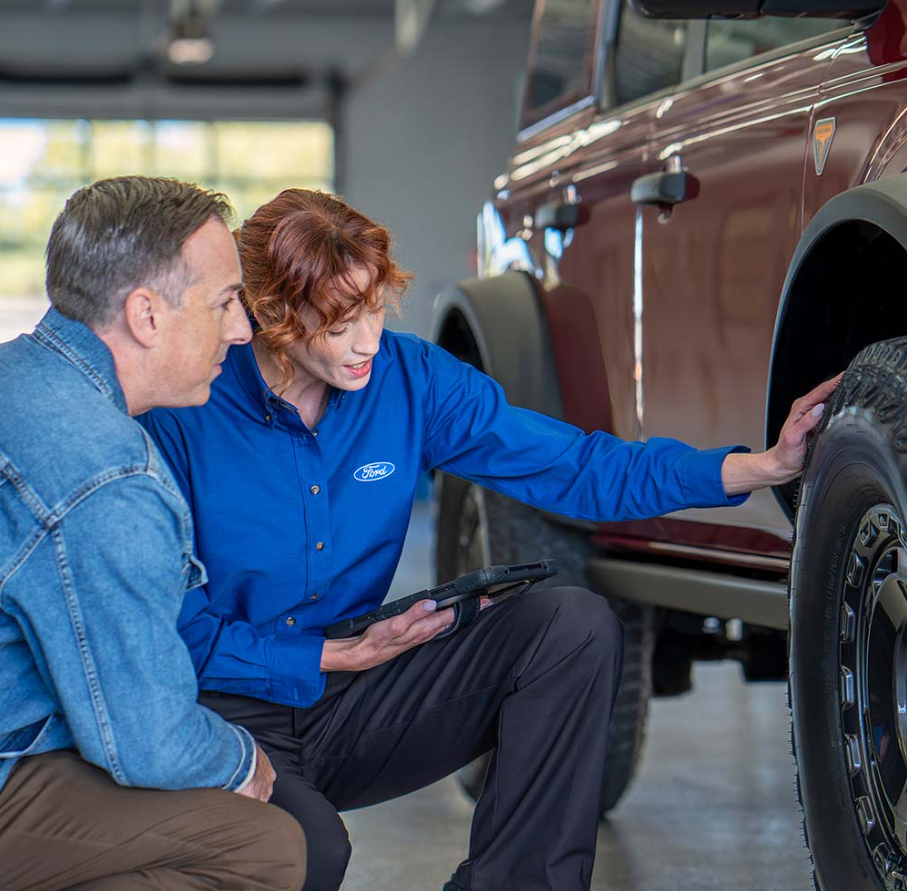
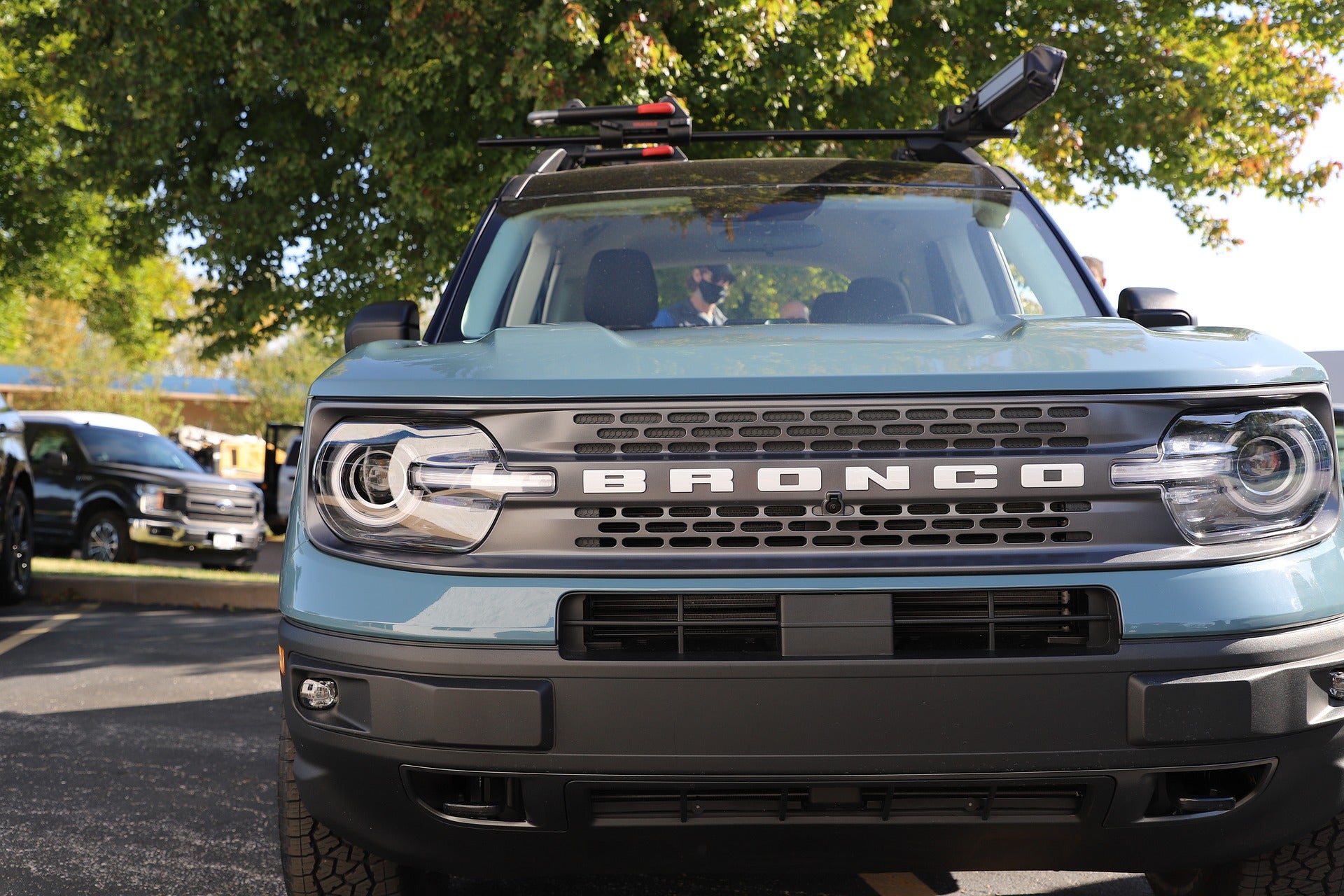
Trading in a vehicle is one of those things people tend to overthink, and honestly, we get why. Your car, truck, or SUV has been part of your daily life. You know the little quirks. You know what you paid for it. You probably have a number in your head already. At Ken Ganley Ford Norton, we help drivers from Barberton, Norton, Akron, Wadsworth, and nearby communities trade in vehicles every day. Some are upgrading into a new Ford. Some are trying to lower their payment. Some just want to stop dealing with an older vehicle before the next repair bill shows up. Whatever your reason, a little prep makes the whole thing easier. Start With a Realistic Trade-In Number Before you visit us, it helps to have a starting point. Not a dream number. Not the number your cousin got for a totally different vehicle. Just a realistic estimate based on your vehicle’s year, mileage, trim, condition, and current demand. You can begin with our Value Your Trade tool. It gives you a useful estimate before you come in, so you are not walking into the conversation cold. That estimate is not the final appraisal, of course. We still need to see the vehicle in person. But it gives everyone a cleaner place to start. Bring the Paperwork If You Have It You do not need to arrive with a perfectly organized folder, but it does help to bring the basics. If you own the vehicle outright, bring the title. If you are still paying on it, bring your loan information or a recent payoff amount if you have one. Your registration and photo ID will also be needed. Service records are helpful too. They are not required, but they can work in your favor. If you have kept up with oil changes, tires, brakes, or major repairs, we want to know that. A vehicle with a clear maintenance history is easier to appraise with confidence. Be Straight About the Condition This part is simple: we are going to look at the vehicle anyway. A scratch on the bumper, worn tires, a cracked windshield, a check engine light, a previous accident, a door ding in the grocery store parking lot — none of that is unusual. Used vehicles have lives before they get traded. We expect that. What helps most is an honest picture of the condition from the beginning. It keeps the appraisal conversation straightforward and saves time for everyone. If a warning light is on, you may want to have it checked before coming in. Sometimes it is something small. Sometimes it is not. Either way, knowing what is going on puts you in a better spot. Know Your Payoff Before You Trade If you still owe money on your vehicle, that does not stop you from trading it in. It just adds one more number to the deal. When you trade in a financed vehicle, we look at the vehicle’s value and compare it with your loan payoff. If the vehicle is worth more than you owe, that equity can usually be applied toward your next purchase. If you owe more than the vehicle is worth, that difference is negative equity, and our finance team can explain what your options look like. You do not need to figure it all out alone. Our finance center works through trade-in situations all the time. Clean It Up, But Do Not Go Overboard A clean vehicle makes a better first impression. That is just true. Run it through the wash. Vacuum the seats and floors. Take out the receipts, coffee cups, old registration papers, sports gear, pet hair, and whatever has been living in the back seat since last winter. You do not need to pay for a full detail unless you want to. A clean, cared-for vehicle simply shows better during the appraisal. Timing Can Matter Trade values move with the market. Trucks and SUVs often do well in Northeast Ohio because people here actually use them. Ford F-150, Explorer, Escape, Bronco Sport, and Expedition models tend to draw attention when clean, well-maintained examples come in. Mileage matters too. So does seasonality, fuel price, inventory demand, and condition. If you are close to trading, it is worth checking your value sooner rather than later. Waiting another six months may not hurt, but it can add mileage, wear, and another winter to the vehicle. You Can Sell Even If You Are Not Buying Today Not everybody who wants a vehicle value is ready to buy another one. That is fine. If you mainly want to sell your vehicle, our Instant Cash Offer option may be a better fit. It gives you a way to see what your vehicle may be worth without tying the conversation to a same-day purchase. Some people use the offer toward their next vehicle. Others sell and wait. We can help either way. What Happens During the Appraisal When you bring your vehicle to Ken Ganley Ford Norton, our team takes a close look at it. We check the exterior, interior, mileage, tires, mechanical condition, vehicle history, features, and current market demand. It usually does not take long. Many appraisals can be handled while you look at inventory or talk with our team about what you may want next. After that, we give you an offer. You can use it toward a new Ford, a pre-owned vehicle, or simply talk through your options before making a decision. Shopping After the Trade-In Once you know your trade value, the rest of the purchase becomes easier to understand. Your trade may lower the amount you need to finance, help with your down payment, or make a newer vehicle fit your budget more comfortably. You can browse our new Ford inventory if you are thinking about a new truck, SUV, or car. If a pre-owned vehicle makes more sense, take a look at our used vehicle inventory. You can also get a head start from home with our online finance application. Trade In Your Vehicle near Barberton with Ken Ganley Ford Norton Trading in your vehicle should not feel like a guessing game. Start with a number, gather what paperwork you have, know your payoff if there is one, and bring the vehicle in so we can give you a real appraisal. At Ken Ganley Ford Norton, we work with drivers from Barberton, Norton, Akron, and across Northeast Ohio who want a simple way to move from their current vehicle into the next one. Start with our Value Your Trade tool, then visit us when you are ready. We will take it from there.